1. Home
  2. Journal

The AstroNight journal

Unhurried articles about planning a night, choosing a target and learning from the photographs that you take, written for people who would like to understand the sky a little better.

AstroNight is now on the App Store. Free for iPhone and iPad, iOS 17 or later. Read the launch story.

Get it on the App Store
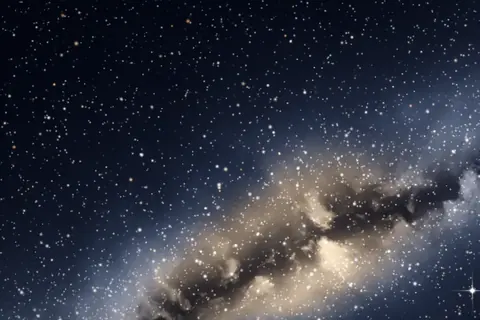
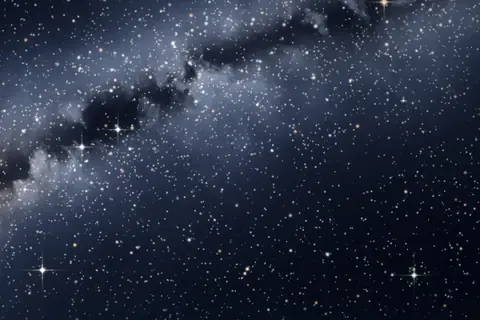
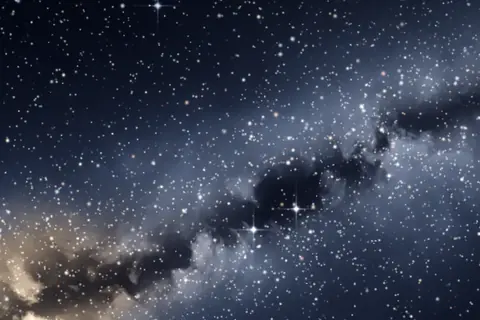
  • Artistic rendering of the Milky Way arching over a dark pine forest

    AstroNight is now on the App Store: plan, shoot, improve

    AstroNight is now on the App Store: a free iPhone and iPad app that tells you what is worth shooting tonight, which settings to start with, and whether your frames are any good while there is still time to fix them.
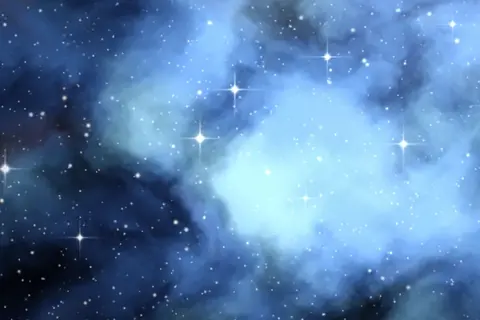
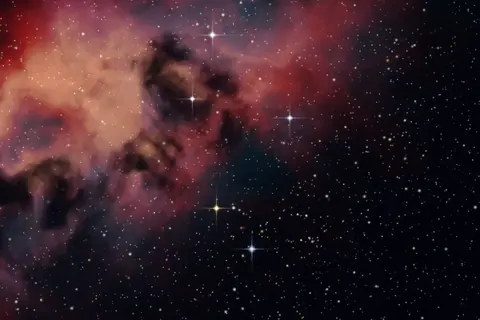
  • Artistic rendering of a blue reflection nebula with dust and scattered stars

    The best astrophotography apps compared: AstroNight, PhotoPills, Stellarium and more

    These apps answer different questions, which is why the honest answer to "which one should I get?" is usually "which job do you need done?"

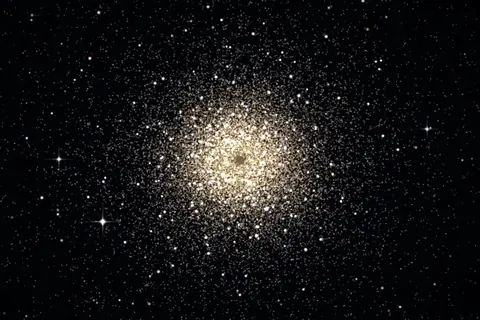
  • Artistic rendering of a globular star cluster, a dense ball of golden and white stars

    Why a red torch saves your night: how your eyes adapt to the dark

    A single glance at a white screen can undo half an hour of dark adaptation, and a red light is the simple trick that protects it.

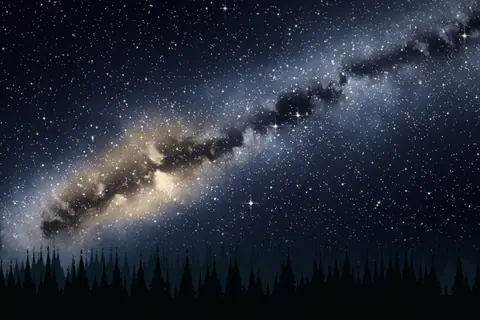
  • Artistic rendering of the Milky Way arching over a dark pine forest

    Catching a meteor shower: where to look and what to set

    A meteor shower is the earth driving through the crumbs left behind by a comet, and with a little planning you can catch some of them on camera.

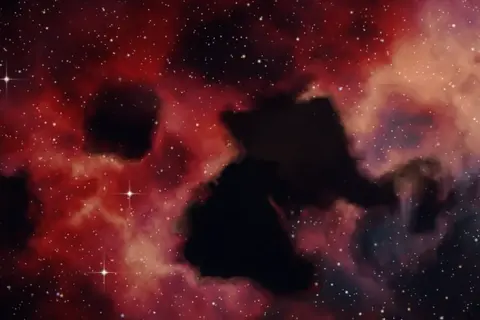
  • Artistic rendering of a red emission nebula with dark dust clouds and scattered stars

    Why a hundred frames beat one perfect frame

    The most surprising thing about deep sky photography is that the secret is not a better exposure but a bigger number of them.

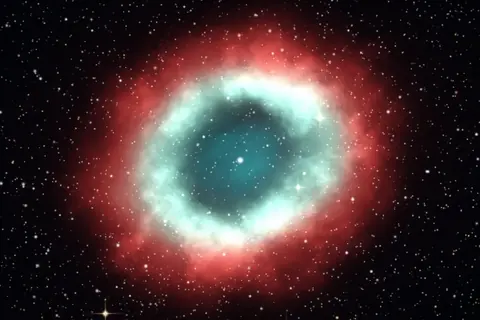
  • Artistic rendering of a planetary nebula, a glowing teal and red ring around a central star

    Narrowband filters without the jargon

    A narrowband filter lets through only a thin slice of colour, which is exactly why it can make a nebula shine under a moonlit or town sky.

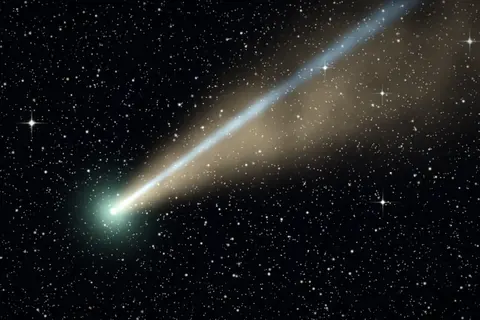
  • Artistic rendering of a comet with a curved golden dust tail and a straight blue ion tail

    Why a comet has two tails, and how to photograph one

    A comet is a dirty snowball with a hair-thin atmosphere, and the two tails it grows tell you what the sun is doing to it.

  • Artistic rendering of a globular star cluster, a dense ball of golden and white stars

    Star trails the easy way: why you should take many short frames

    A single exposure of two hours would ruin your battery and fill your picture with noise, while a hundred short ones create a cleaner and safer image of the turning sky.

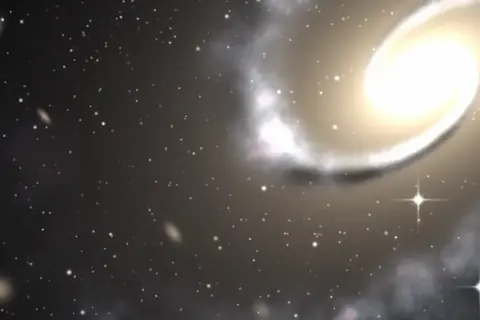
  • Artistic rendering of a spiral galaxy with a bright golden core and pale blue arms

    The Andromeda Galaxy: the first big target worth learning

    Andromeda is the most distant thing that you can see with your own eyes, and it is also one of the most forgiving galaxies to photograph.

  • Artistic rendering of a blue reflection nebula with dust and scattered stars

    A sky that never gets dark: twilight, the midnight sun and the white nights

    In a Finnish summer the sun never goes far enough below the horizon to give you a truly dark sky, and it helps to know exactly what you are getting instead.

  • Artistic rendering of a red emission nebula with dark dust clouds and scattered stars

    Why the bright heart of the Milky Way hides from Finland

    The most photographed part of our galaxy never climbs out of the horizon haze for anyone as far north as Helsinki, and the reason is a matter of simple geometry.

  • Artistic rendering of the Milky Way arching over a dark pine forest

    Chasing the northern lights: a calm guide for beginners

    The aurora cannot be summoned, but it can be anticipated, and a little understanding of the forecast turns a night of hopeful waiting into a night with a plan.

  • Artistic rendering of a red emission nebula with dark dust clouds and scattered stars

    Choosing a target when the moon is bright

    A bright moon does not ruin a clear night so much as change what the night is good for, and knowing which targets to choose makes all the difference.

  • Artistic rendering of a spiral galaxy with a bright golden core and pale blue arms

    What the Bortle scale can and cannot tell you

    The Bortle scale is a useful ruler for the darkness of a site, provided you remember what kind of ruler it is and how coarse its markings are.

  • Artistic rendering of the Milky Way arching over a dark pine forest

    Your first night with a camera and a tripod

    A camera that allows manual settings, a lens with a wide aperture and a steady tripod are all you need to begin, and a little preparation does the rest.

  • Artistic rendering of a globular star cluster, a dense ball of golden and white stars

    Reading a test frame before you go home

    The small screen on the back of a camera forgives almost everything, so it helps to ask a few specific questions of a test frame while you are still under the sky.