
Now on the App Store
A calm coach for every clear night
AstroNight is an iPhone app for people who photograph the night sky. It looks at the sky above you, at the equipment you own and at the photographs you have already taken, and it helps you decide what to point your camera at and how to do it a little better each time.
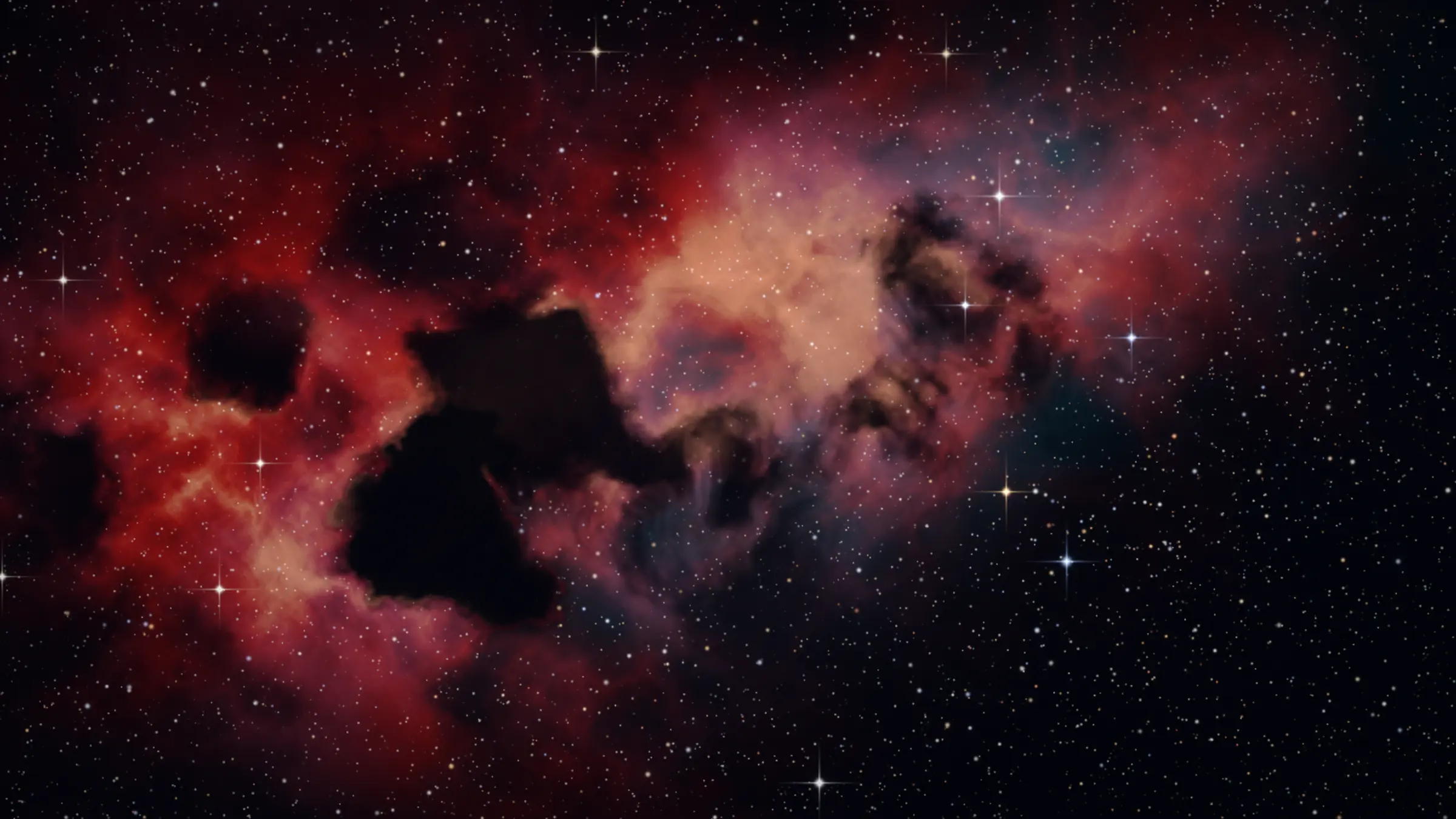
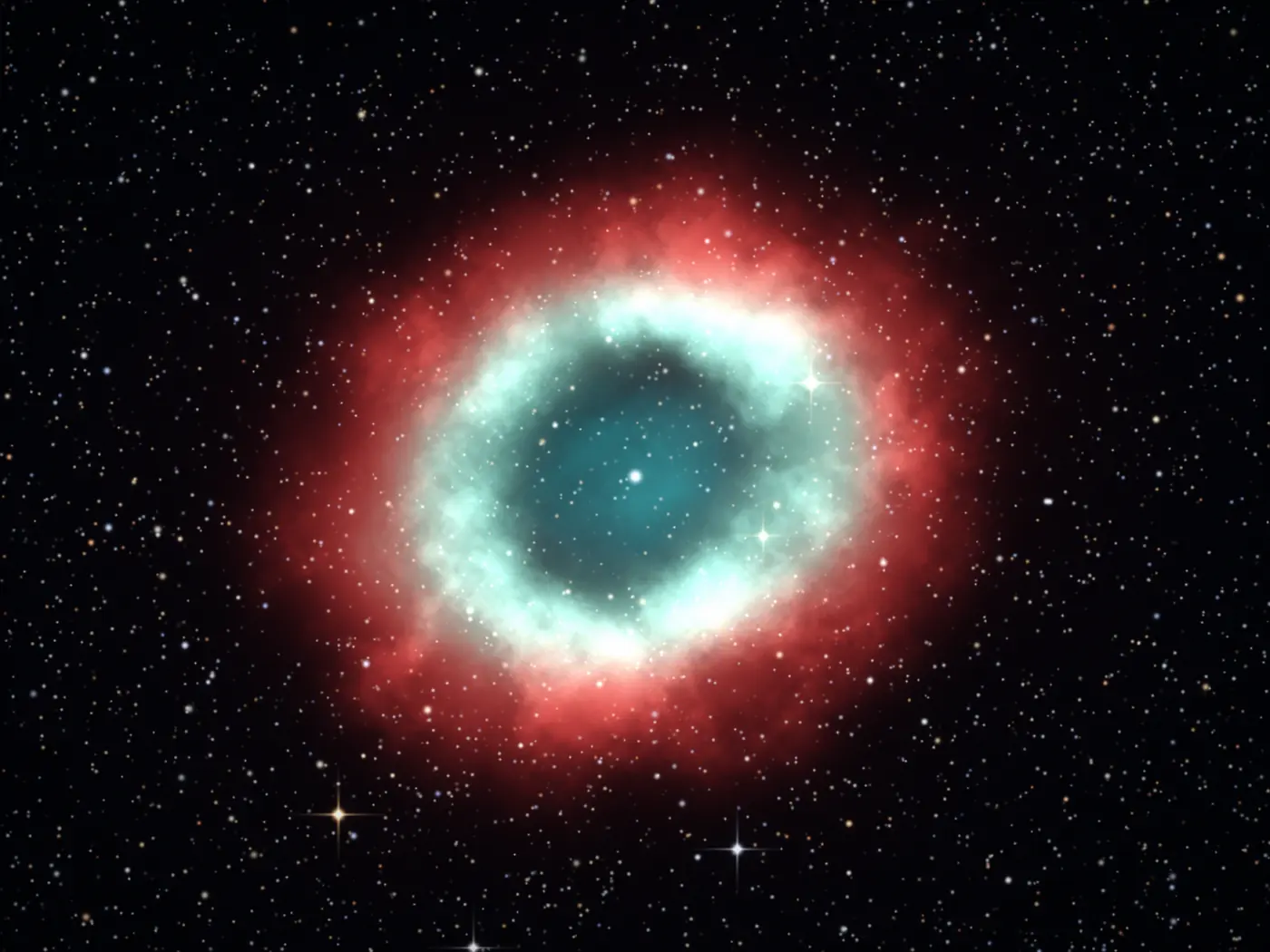
The picture is an artistic rendering of a red emission nebula, and the stars above it turn slowly, as they do in a real sky.
Why AstroNight exists
Clear nights are rarer than most of us would like, and it seems a pity to spend one of them guessing.
Anyone who has stood in a cold field with a camera on a tripod knows how quickly a good night can slip away. The moon turns out to be brighter than expected, the target you chose is already sinking behind the trees, and the exposure that looked promising on the small screen proves to be soft when you study it the next morning at home.
AstroNight was designed to take some of that uncertainty away without taking the enjoyment with it. Before dusk it tells you when the sky will truly be dark where you are, how much of the moon will be lit and which targets suit the equipment you actually own. After the session it looks at your photograph and explains, in plain language, what could be improved, and it keeps every session in a history so that you can see your own progress over the months.
It is meant to feel like a patient friend with a good deal of experience, one who is happy to answer the same question twice and never makes you feel that you ought to have known already.
How an evening usually goes
The app follows the order in which a night of photography actually unfolds, from the first look at the sky before sunset to the quiet comparison of your frames a few weeks later.
Before sunset
Tonight's plan shows when the sky becomes properly dark at your location, how much of the moon will be lit and how dark your surroundings are likely to be. From that it suggests one to three targets, each with sensible starting settings for your camera and lens or your telescope.
At astronomical darkness
Once twilight has ended you can concentrate on the photography itself, with the plan close at hand. If the aurora forecast becomes interesting for your latitude, it appears in the plan as a possibility for the evening.
Later that night
Logging a session takes a moment: the target, the number of frames, your settings and the conditions. Settings taken from the plan can be carried over with a single tap, and you can attach a photograph.
The next morning
When you add a photograph, AstroNight examines it on your phone and describes what it finds, such as vignetting, a colour cast, an uneven background or a lack of sharpness. Where one frame cannot show the cause, it says so honestly.
Over the following weeks
The history gathers your sessions, and when you have photographed the same target more than once you can compare the results side by side and see how your Andromeda, or your Orion, has changed as your skill has grown.
A few of the things worth pointing a lens at
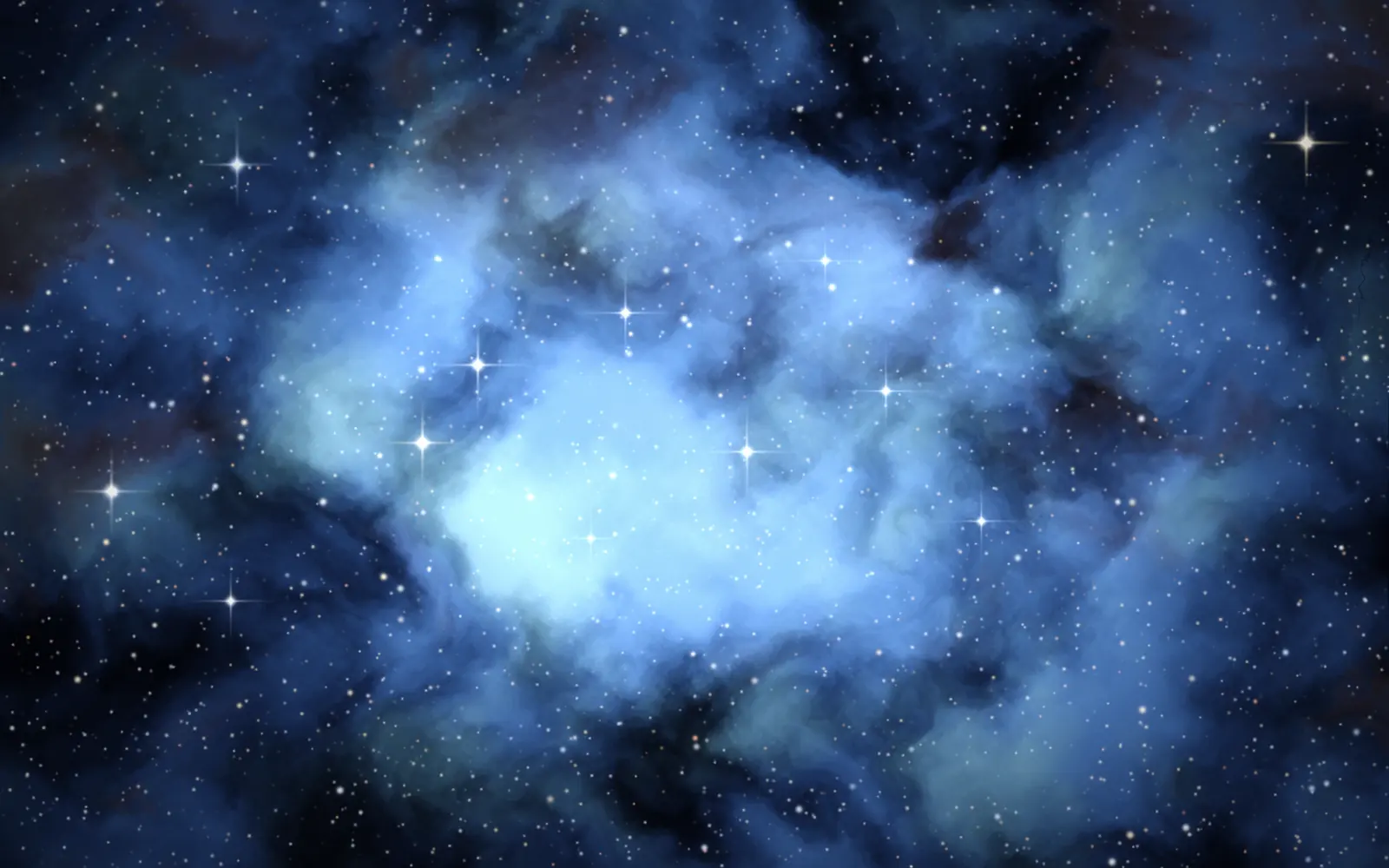
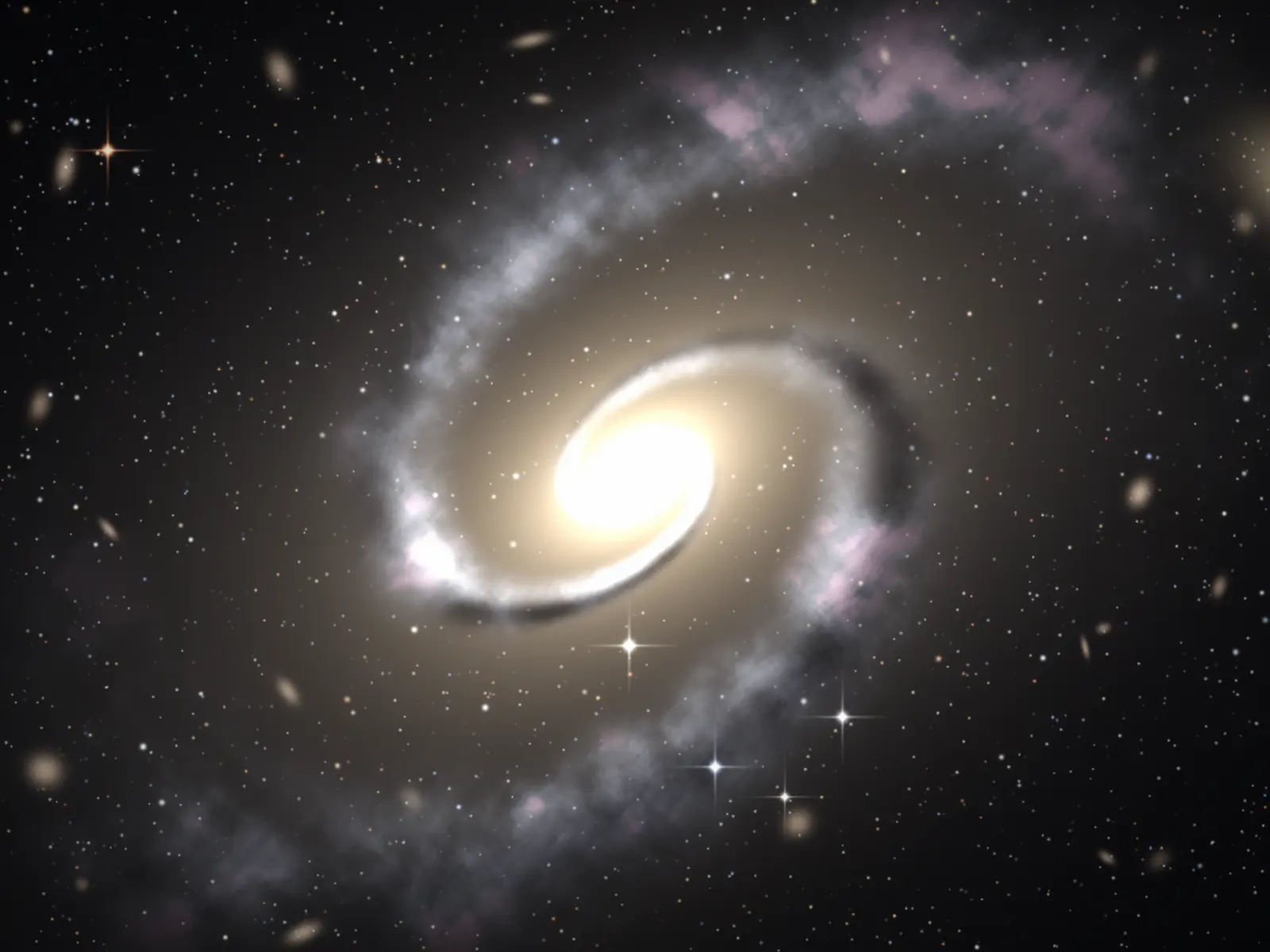
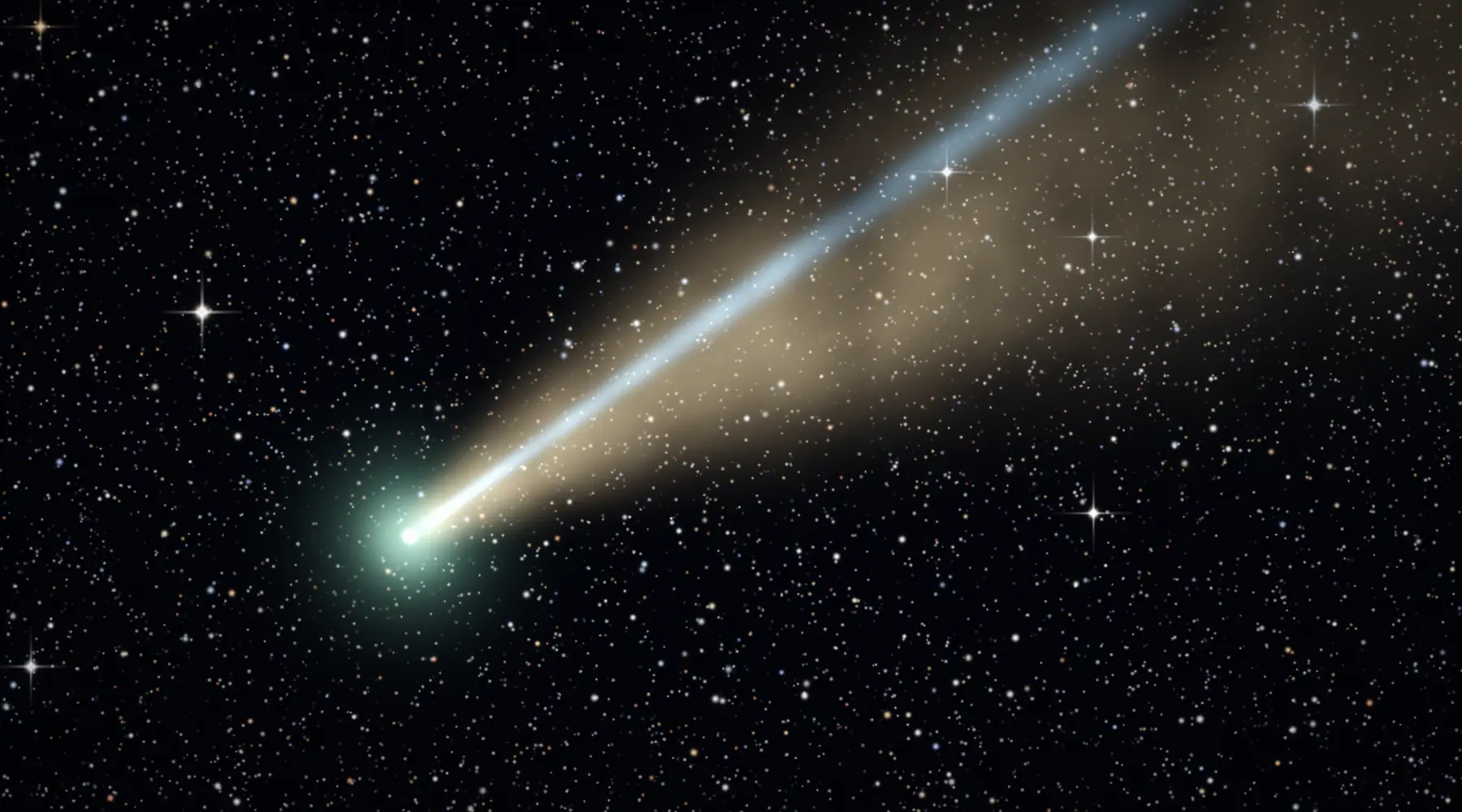
The deep sky holds far more variety than most people expect at first. Emission nebulae glow red with hydrogen, galaxies reveal their spiral arms only to patient exposures, and comets arrive and depart on their own schedule.
The moon tonight
The moon tonight
Your browser works out the phase of the moon from today's date. If this message stays visible, scripts may be switched off in your browser.
From the journal
Short, unhurried articles on planning a night, choosing a target and learning from your photographs.
AstroNight now has a manual camera: set ISO, focus, white balance and exposure yourself
AstroNight can now take the picture as well as plan it. The new manual camera lets you set ISO, exposure time, focus and white balance yourself, so an iPhone on a tripod can make a proper night sky photograph.
How to photograph the night sky with an iPhone: a step by step guide
You can photograph the night sky with an iPhone, and you do not need a telescope to begin. You need a dark place, a tripod, a clear night and control over the exposure, the focus and the colour.
The best iPhone settings for night sky photos: ISO, exposure time, focus and white balance
There is no single best setting, but there are good starting points. Here are the ISO, exposure time, focus and white balance to try on an iPhone for five classic night sky subjects.
Chasing the northern lights: a calm guide for beginners
The aurora cannot be summoned, but it can be anticipated, and a little understanding of the forecast turns a night of hopeful waiting into a night with a plan.
Why a comet has two tails, and how to photograph one
A comet is a dirty snowball with a hair-thin atmosphere, and the two tails it grows tell you what the sun is doing to it.
The Andromeda Galaxy: the first big target worth learning
Andromeda is the most distant thing that you can see with your own eyes, and it is also one of the most forgiving galaxies to photograph.
Ready when the sky is
AstroNight is free on the App Store. It works on iPhone and iPad with iOS 17 or later, it works offline, and it needs no account.
No ads, and no photographs leave your device. Read the launch story.